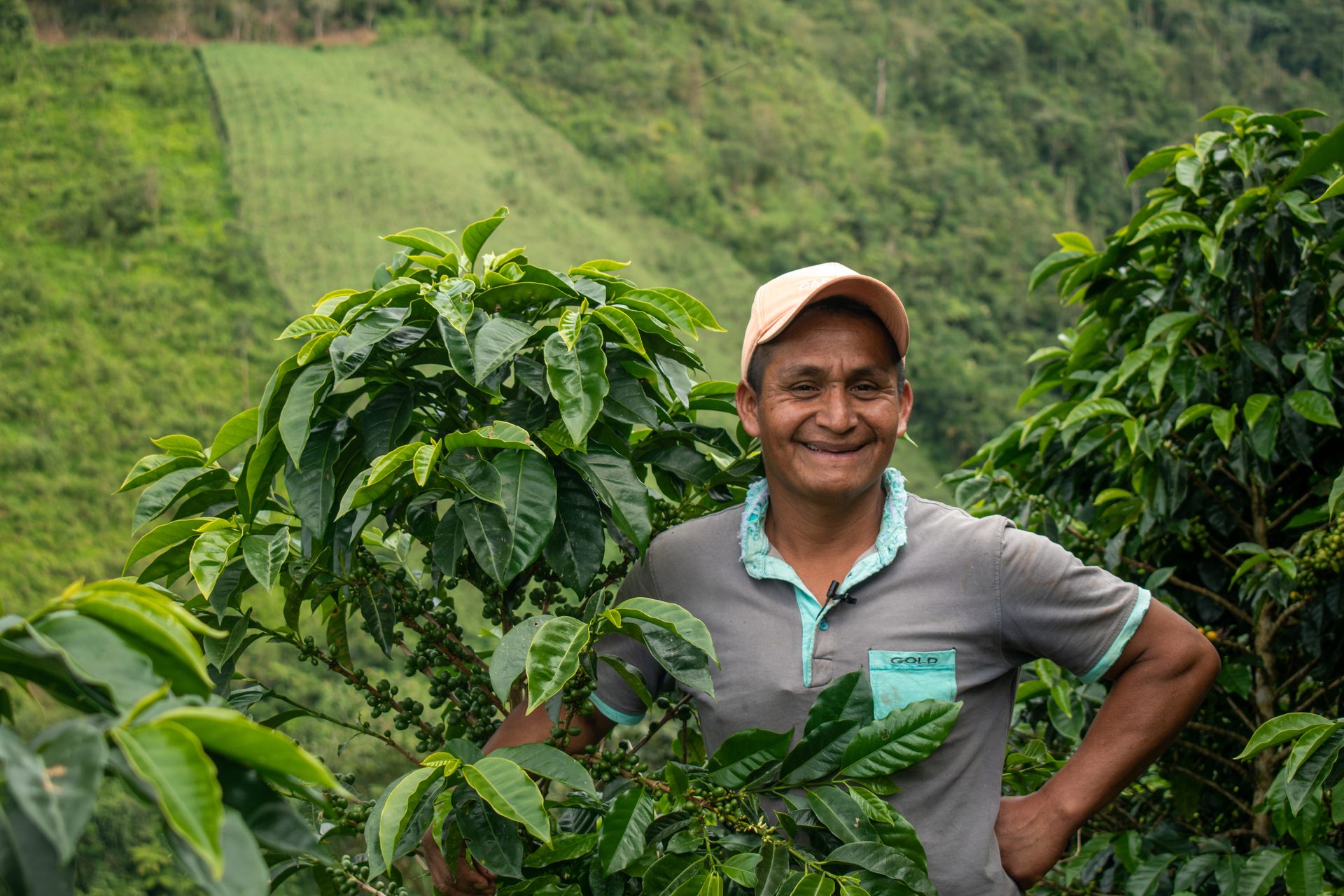
David Nuñez Peña


LA DANTA

Jaen, Cajamarca, Perú
STORY
La Danta is a blend of coffees produced in the highlands of San Ignacio and Jaen in Cajamarca.The blend is named after the Andean Tapir, also known as the mountain Danta. In Quechua,"sacha huagra" means "mountain Danta." The Andean tapir, an endangered herbivore, is commonly found roaming the Andes, especially in northern Cajamarca.
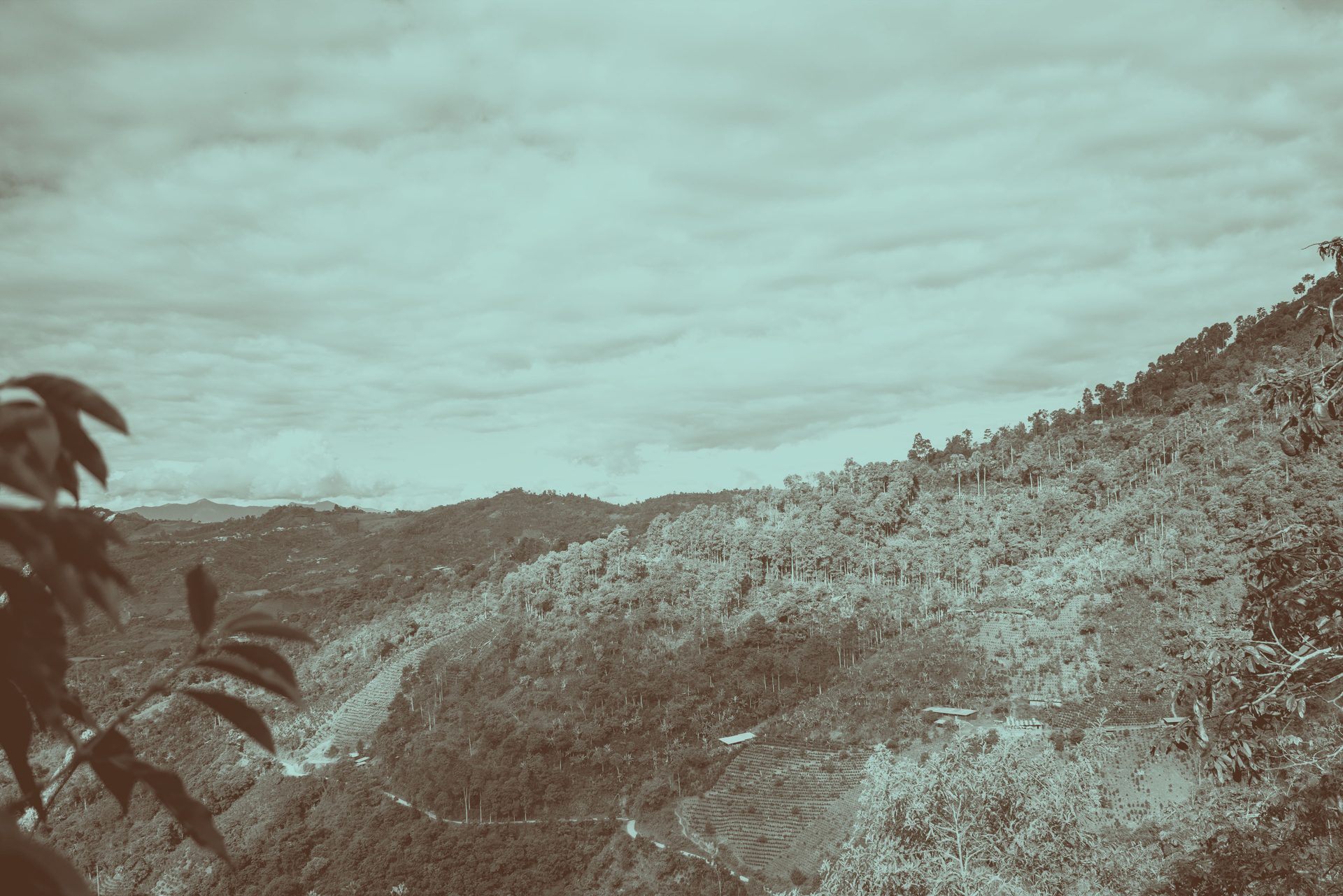
Cajamarca, nestled in the north of Peru, is a region renowned for its breathtaking mountainous landscapes and thriving coffee production. The majestic peaks of the Andes Mountains adorn the horizon, creating a stunning backdrop for this vibrant department. But it's not just the mountains that capture the imagination; Cajamarca is also celebrated for its rich coffee heritage. In recent years, it has emerged as the largest coffee-producing region in Peru, with picturesque coffee farms dotting its highland terrain. The combination of its awe-inspiring natural beauty and the aroma of freshly grown coffee make Cajamarca a true gem of South America.
La Danta represents, for Caravela and the community, a more conscious coffee-producing culture that prioritizes nature and coexistence with it. The producers who contribute to this brand recognize and believe that by always prioritizing nature, they add greater value to coffee and its surroundings.

CONTRIBUTING PRODUCERS
The farmers who contribute to La Danta have learned about coffee through generations, with some of the farms being established by their grandparents in 1980, dedicated from the beginning to coffee production. Over the generations, they have been motivated to seek quality coffee, observing how the market has evolved, as many of them initially started selling conventional coffee. In recent years, they have improved their processing techniques and facilities and have adopted new coffee varieties, leading to enhanced quality and better prices.
The newer generations have begun attending works-hops, searching for information online, and seeking advice from seasoned and experienced neighbors to refine their processes. They consistently value the resources generated within their own farms and manage them appropriately.The producers receive personalized visits from the PECA Educators and attend workshops to produce organic fertilizers using organic waste from the farm. This approach has helped producers become more conscious of their environmental impact.
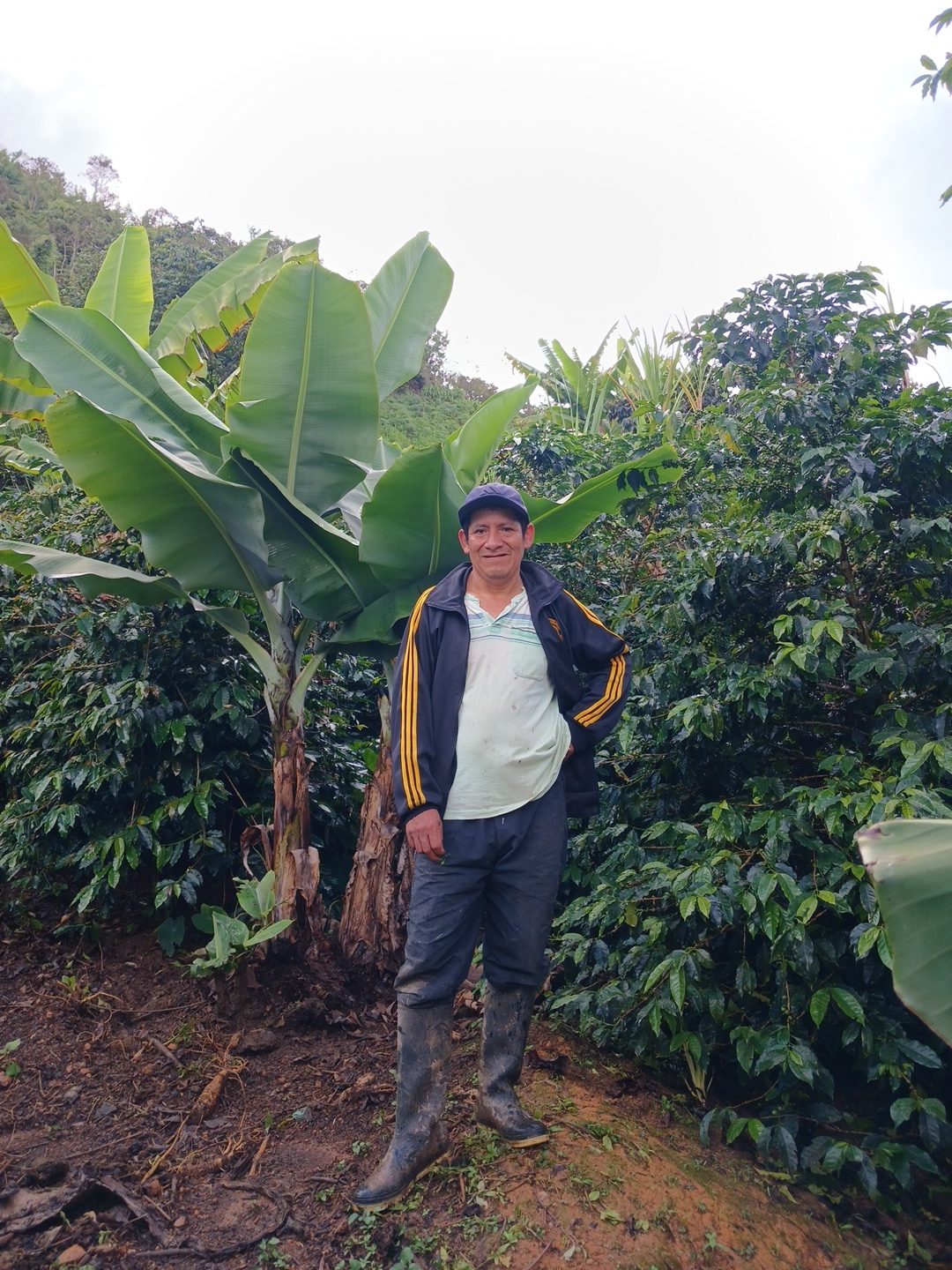
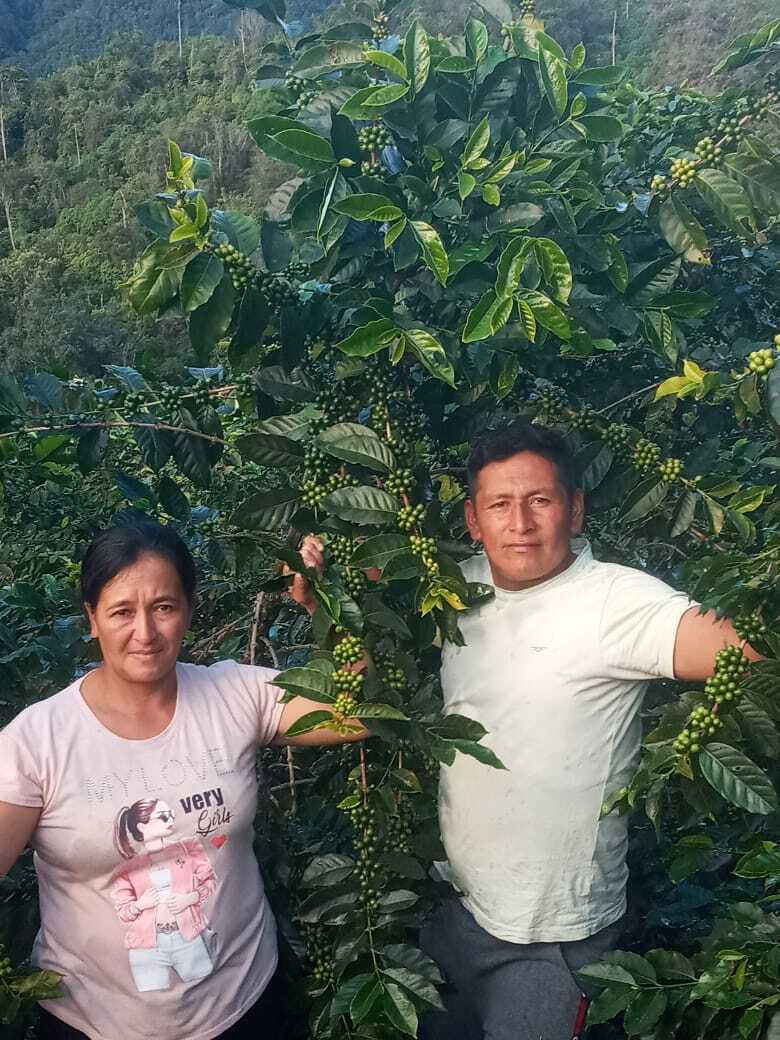

The farmers who contribute to La Danta have learned about coffee through generations, with some of the farms being established by their grandparents in 1980, dedicated from the beginning to coffee production. Over the generations, they have been motivated to seek quality coffee, observing how the market has evolved, as many of them initially started selling conventional coffee. In recent years, they have improved their processing techniques and facilities and have adopted new coffee varieties, leading to enhanced quality and better prices.
The newer generations have begun attending works-hops, searching for information online, and seeking advice from seasoned and experienced neighbors to refine their processes. They consistently value the resources generated within their own farms and manage them appropriately.The producers receive personalized visits from the PECA Educators and attend workshops to produce organic fertilizers using organic waste from the farm. This approach has helped producers become more conscious of their environmental impact.
COFFEE PROCESS

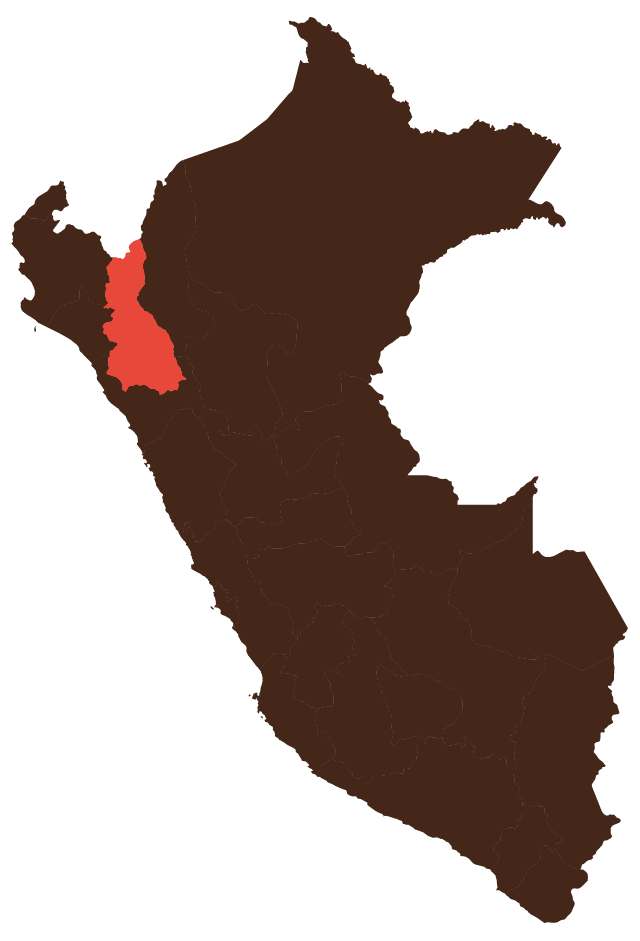
PERÚ, CAJAMARCA

country

SAN IGNACIO, JAEN
municipality

1,500 - 1.900 ML
elevation
LOCATION
TECHNICAL INFORMATION



varieties
Caturra, Bourbon, Catimor, Pache
harvest
May - September
processing
Washed

shade
Pacay, Pisonay and Cedars
average farm size
2 Ha

drying method
Solar dryers